Grenomart
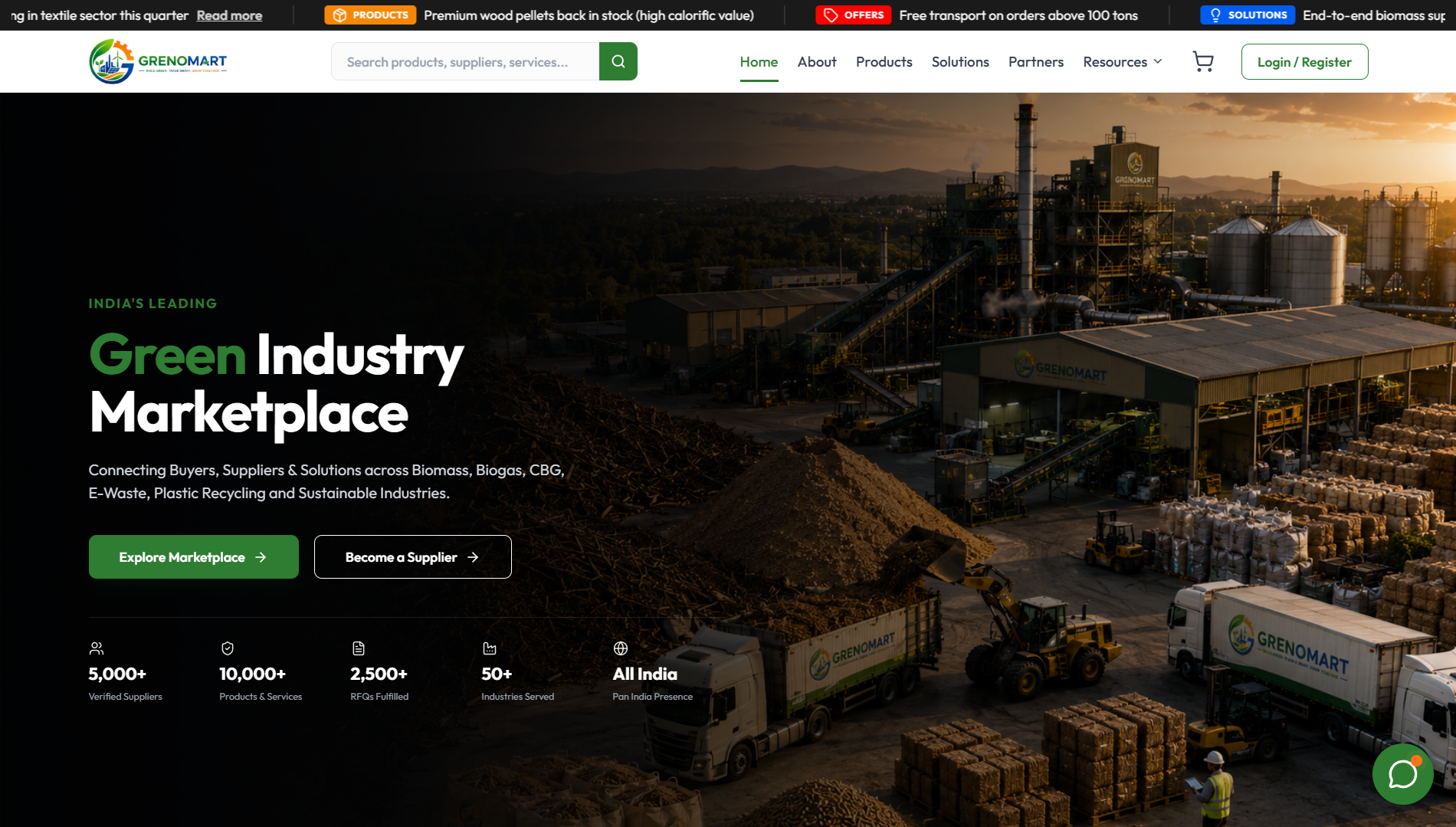
Visit Live SiteGrenomart is a full-stack e-commerce platform designed for scalability and real-world usage. It features product management, cart functionality, user authentication, and payment integration — all built with a focus on clean architecture and production-ready code.
02 // Overview & Problem
The Situation
Grenomart began as a question: can a single developer build a production-grade e-commerce platform that handles real transactions, scales gracefully, and provides a seamless user experience? This project is the answer.
The Core Challenge
Most e-commerce tutorials teach surface-level implementations — basic CRUD operations with no attention to authentication flows, payment security, inventory management, or production deployment. The goal was to go beyond tutorials and build something that could actually serve real customers.
03 // Strategy & Approach
Insights & Discovery
Studied the architecture of platforms like Shopify, Medusa, and Saleor. Analyzed common e-commerce failure points: cart abandonment, slow page loads, payment friction. Researched Stripe integration patterns and PostgreSQL optimization for product catalogs.
Architectural Blueprint
Chose Next.js for its hybrid rendering capabilities — static product pages for speed, server-side rendering for dynamic cart and checkout. Prisma provided type-safe database access. Tailwind CSS ensured rapid UI development without sacrificing design quality.
04 // Implementation & Hurdles
Execution & Build
Built in iterative phases: product catalog first, then cart logic, then authentication, then payment integration. Each phase was tested independently before integration. Database schema evolved through three major migrations as requirements became clearer.
Technical Bottlenecks
Payment integration required careful handling of webhooks and idempotency. Managing cart state across sessions without losing data during authentication flows was particularly complex. Optimizing database queries for filtered product searches required careful indexing.
05 // Outcome & Lessons
Final Deliverable Impact
A fully functional e-commerce platform with sub-second page loads, secure payment processing, and a clean admin interface. The codebase is modular enough to support additional features like reviews, wishlists, and recommendation engines.
Key Takeaways
Production code demands a different mindset than project code. Error handling, edge cases, and graceful degradation consume more development time than core features — and they should. The gap between 'it works' and 'it's ready' is where real engineering happens.
06 // Technical Specifications
07 // Roadmap & Next Steps
Adding a recommendation engine based on purchase history, implementing real-time inventory tracking, and building an analytics dashboard for store owners.